Autonomy Software for Hazardous Industry
Autonomous inspection and data collection in hazardous facilities.
Salem Robotics automates routine inspections, surveys, and auditable reporting so teams can reduce exposure, collect consistent field data, and operate with less manual effort. Deploy on your existing robot, or one we provide as a turnkey Salem system.
Scoped 1-2 week validation engagements.
01
Plan
02
Execute
03
Report
Autonomy layer for hazardous-facility inspection
Mission planning, robot execution, inspection data collection, and auditable outputs in one operating workflow.
Built by roboticists with experience deploying autonomous systems in high-consequence industrial, national laboratory, and nuclear environments.
Existing robot platforms
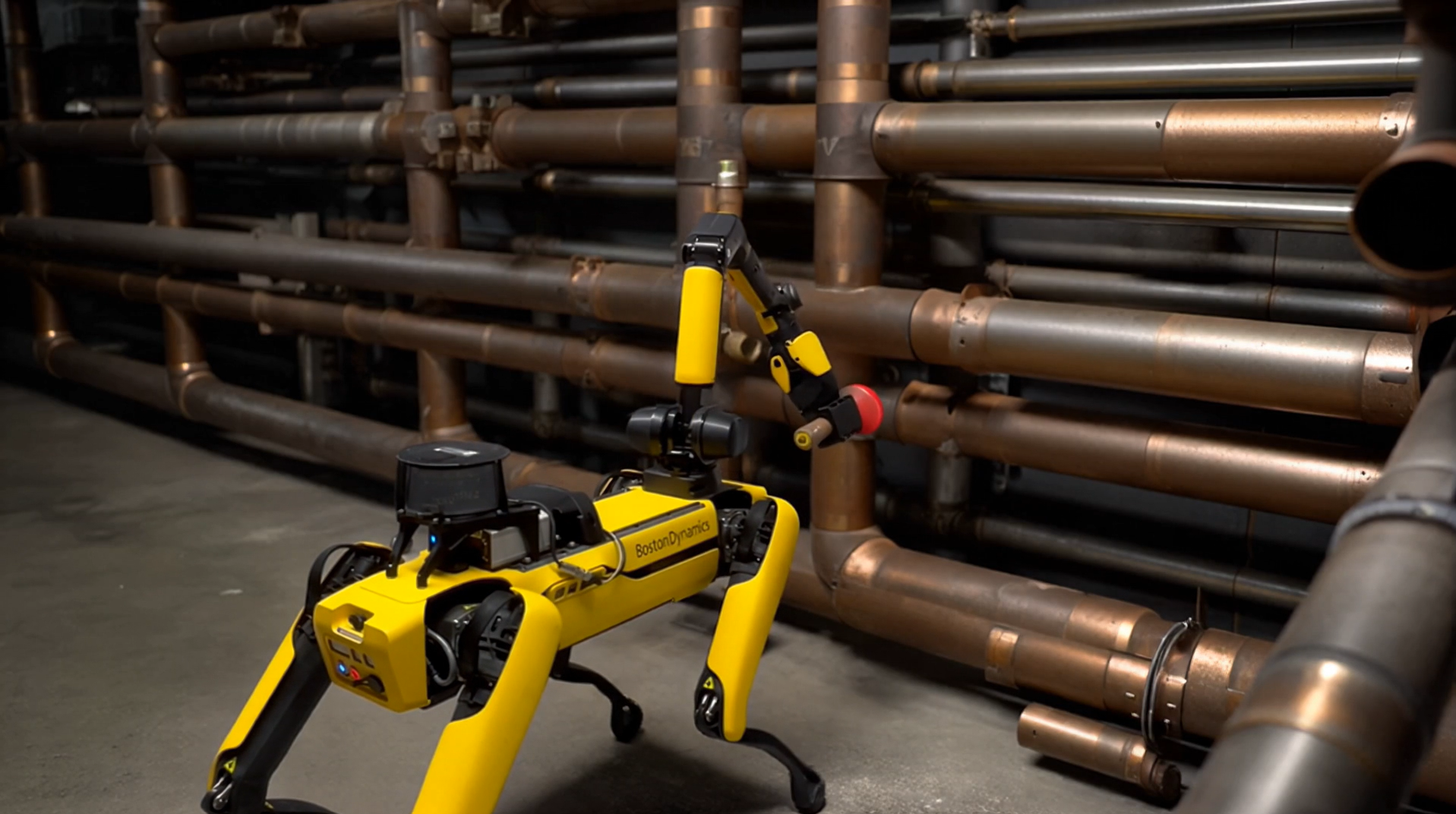
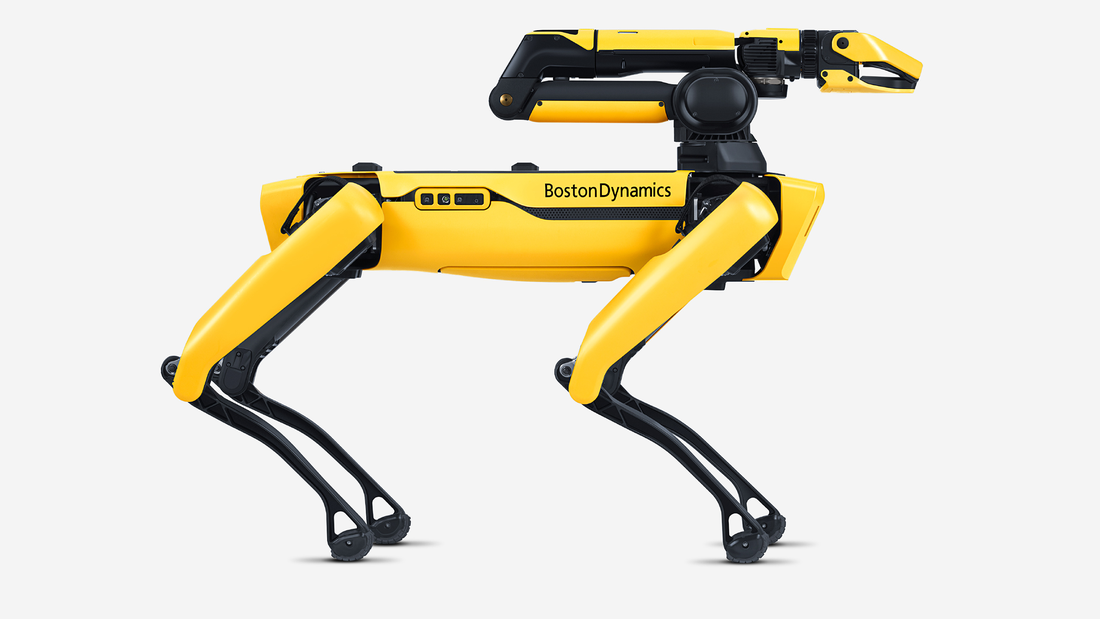
Built around systems hazardous-facility operators are already evaluating or deploying.
Compatible inspection instruments
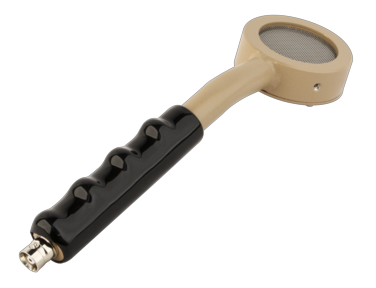
Measurement and inspection workflows designed around familiar field hardware.
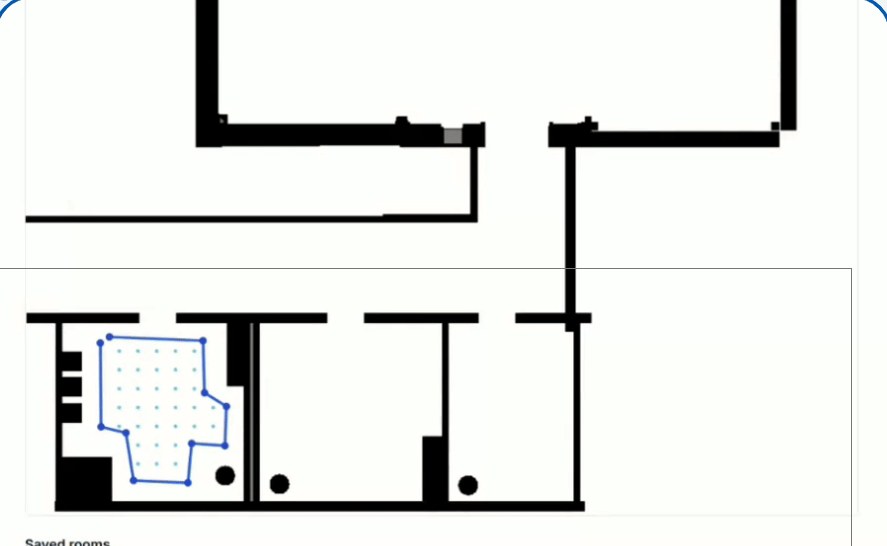
Autonomy outputs
Route, measurement, and report artifacts that map back to procedures.
Problem
Routine inspections in hazardous facilities still depend on manual, exposure-limited work.
Today, field technicians enter hazardous or difficult-to-access areas with handheld instruments, mark up paper maps, and transcribe results into digital systems afterward. The process is labor-intensive, time-consuming, and constrained by exposure limits, staffing availability, and paperwork burden.
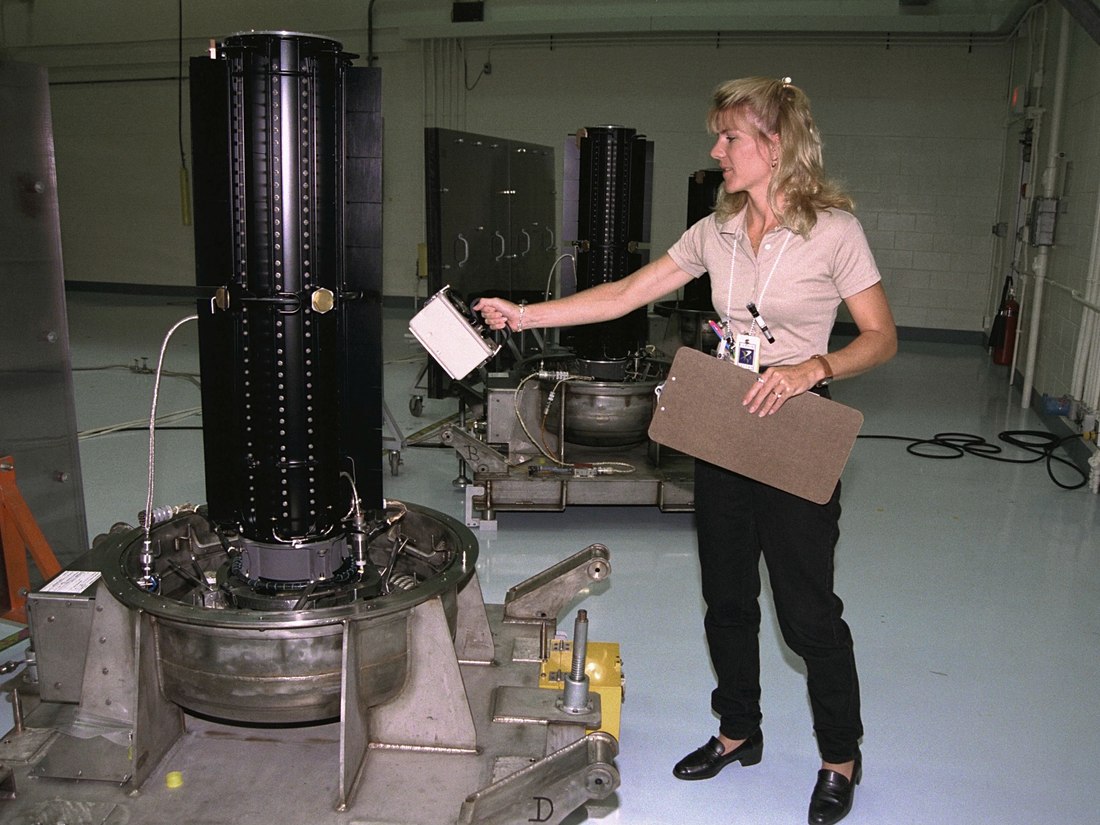
Current Workflow
A skilled technician physically enters the area, gathers data by hand, and records results after the route is complete.
Manual routes take skilled staff away from higher-value operational work.
Exposure limits and difficult access constrain how often inspections can be performed and how quickly issues can be resolved.
Paperwork and fragmented records increase compliance friction and reduce data consistency.
Solution
Salem Robotics turns existing robots into autonomous inspection operators.
Our software stack enables robots already deployed in industrial facilities to navigate inspection routes, collect mission-specific measurements and visual data, and generate automated, reviewable records with optional human oversight when needed.
Salem combines hazardous-environment autonomy, mission execution, telemetry, and data workflows into a system built for safety-critical operations. The platform is designed so facility teams can supervise autonomous inspection operations, increase inspection frequency, improve consistency, and reduce time spent sending personnel into restricted or hazardous areas.
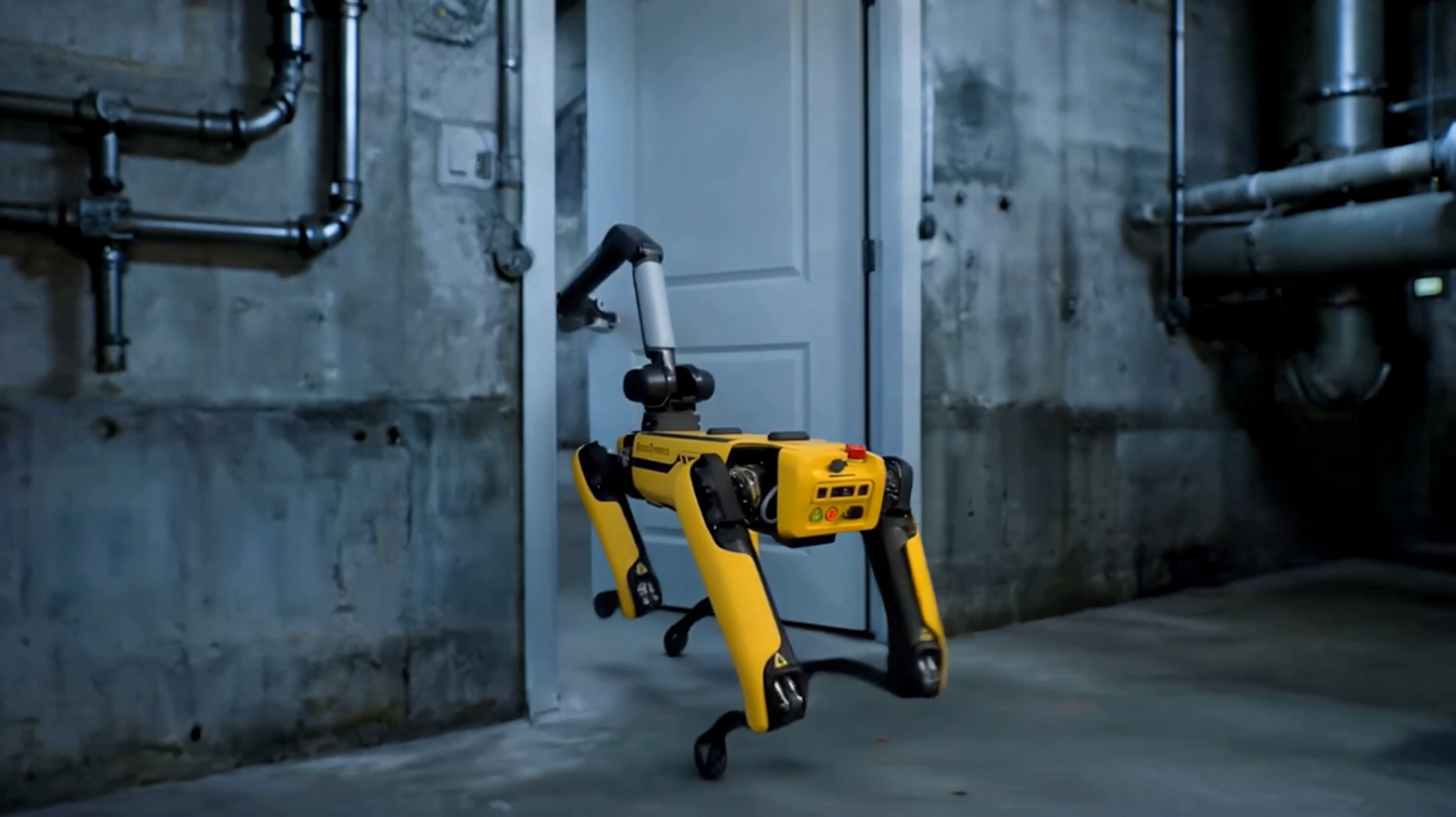
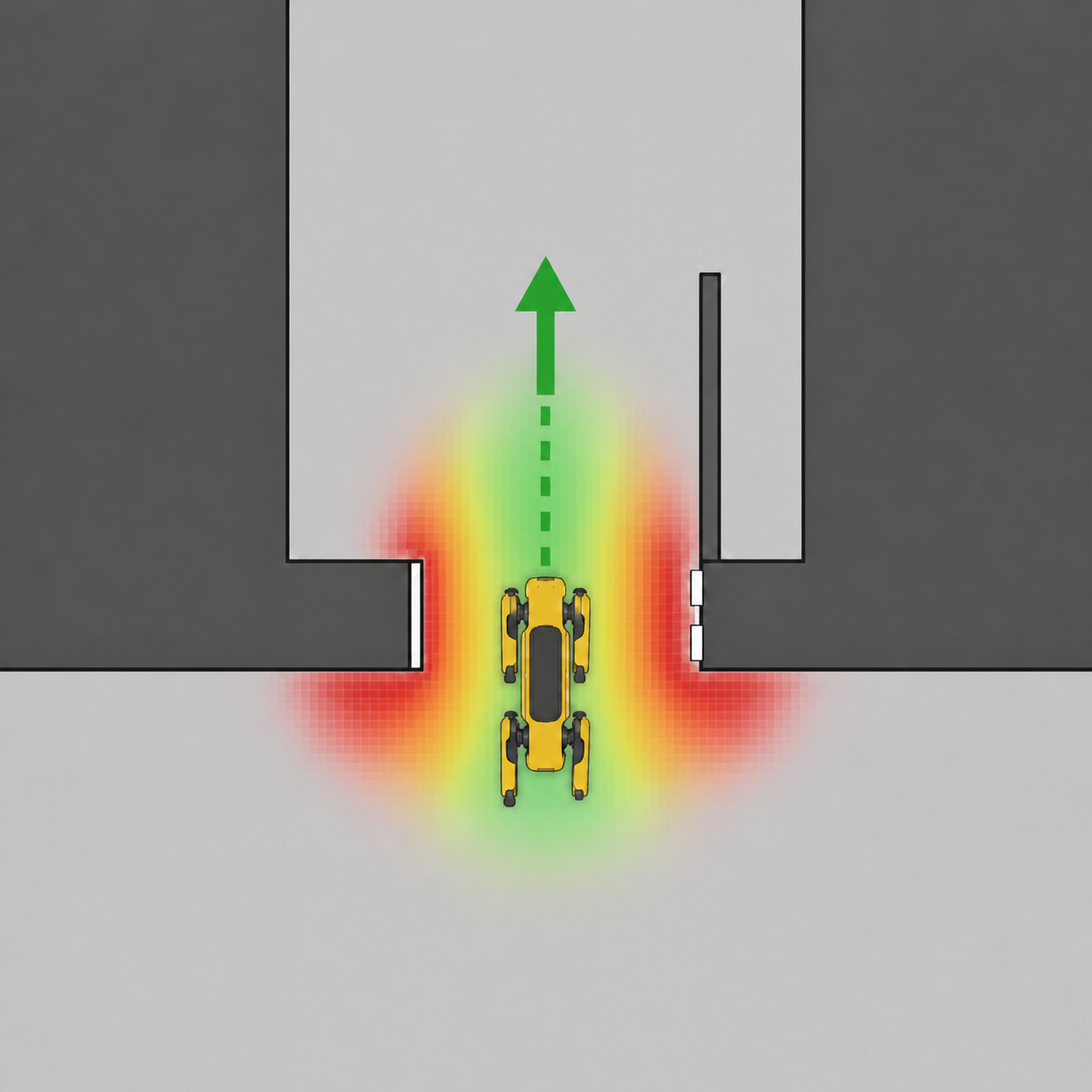
Robot Execution
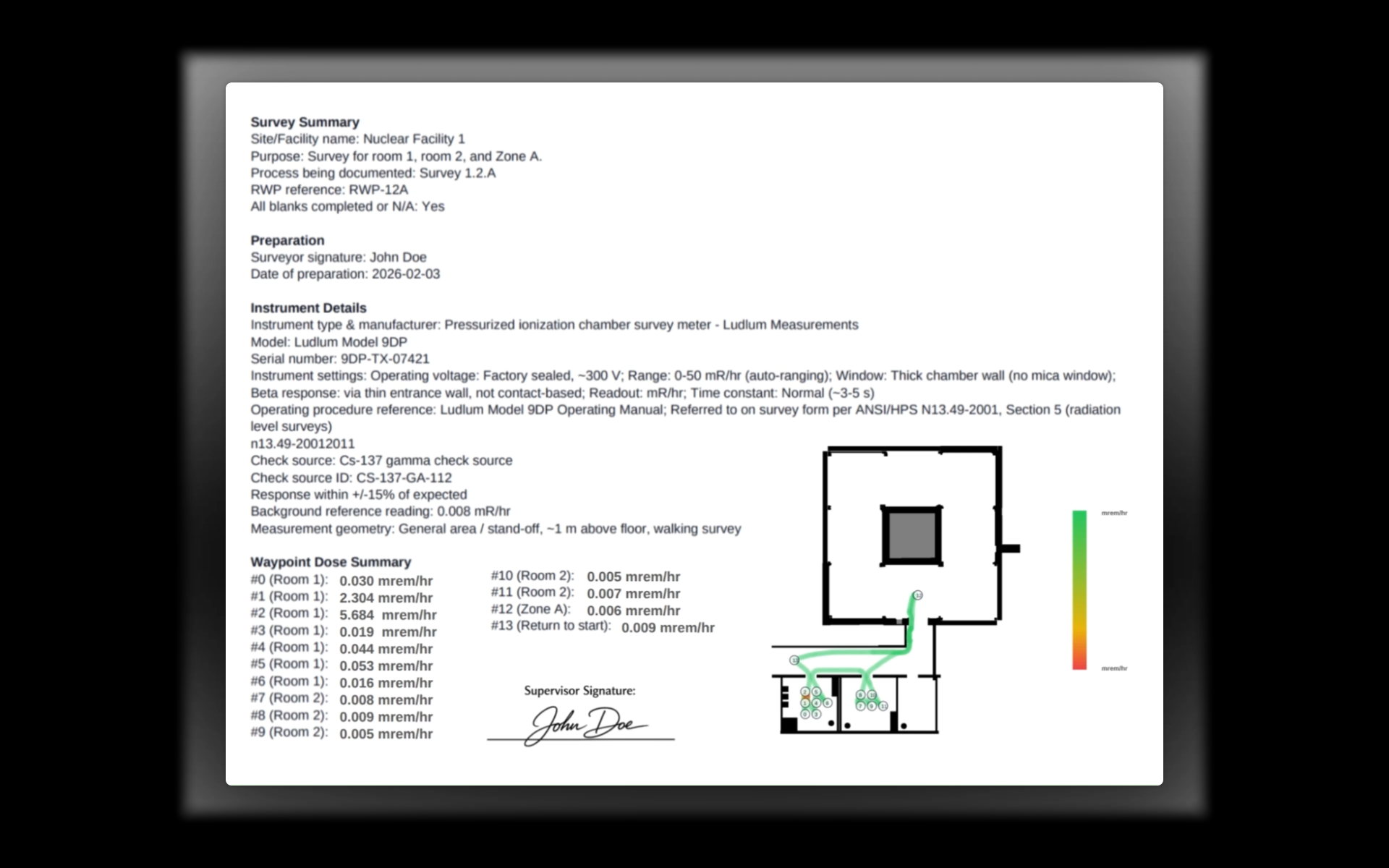
Inspection execution links robot pose, route progress, and map-based data points as one mission state.
Compliance Output
Inspection data is packaged into reviewable records instead of disconnected field notes.
Platform Vision
Salem is building a broader autonomy platform for hazardous industry.
Salem's long-term goal is to become the autonomous operating system for hazardous site robotics. Salem is built for environments where operational pain is immediate, workflows are compliance-driven, and reliable autonomy creates a strong foundation for expansion into adjacent inspection, monitoring, and industrial autonomy applications.
Field Robotics
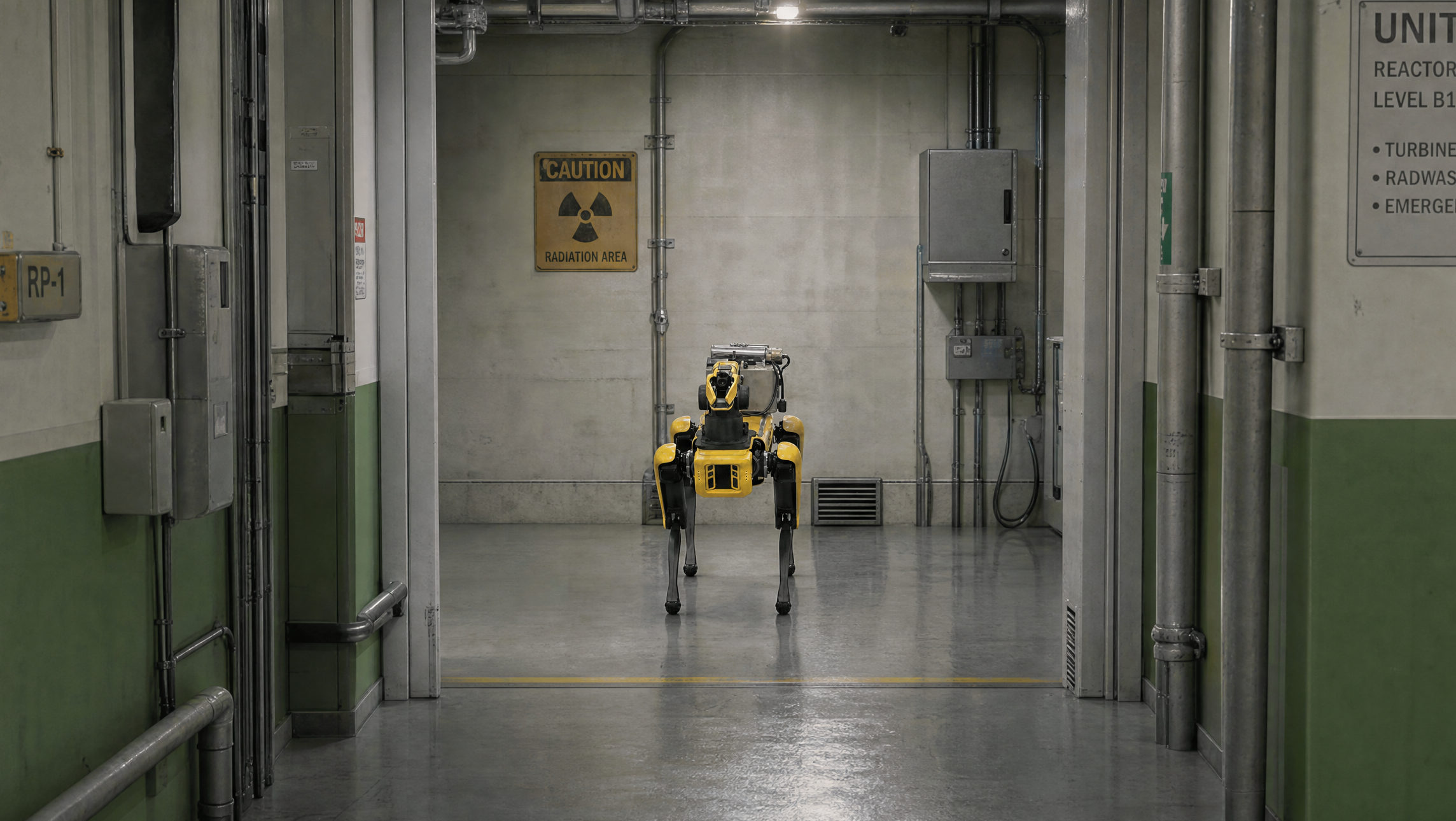
Navigation is the start; hazardous facilities need robots that can operate around real doors, valves, instruments, and work cells.
Expansion Path
The same operating layer can support adjacent inspection and monitoring tasks as new workflows are proven.
Customers
Built for the operators responsible for safety, uptime, and compliance.
Initial deployments focus on critical facilities where recurring inspection work is operationally necessary, robots are already appearing on site, and reducing personnel exposure matters immediately. Salem supports nuclear and adjacent hazardous industrial operations.
Commercial nuclear operations
Government laboratories
Decommissioning sites
Oil and gas facilities
Pharma and Hazardous Chemical
Space infrastructure operations
Team
Founders with experience in nuclear operations and field robotics.
Salem Robotics is led by executives with more than a decade of combined experience building and deploying robotic survey systems in nuclear environments and other hazardous settings, supported by advisors with deep robotics and company-building experience.
Co-Founder & CEO
Caleb Horan
Former Ph.D. researcher in UT Austin's Nuclear and Applied Robotics Laboratory with more than eight years of nuclear industry experience, including extended work at Los Alamos National Laboratory on autonomous radiation survey and inspection systems.
Co-Founder & CTO
Janak Panthi
Ph.D. researcher in UT Austin's Nuclear and Applied Robotics Laboratory with experience spanning robotics, product development, and field systems engineering, focused on enabling quadruped robots to perform contact-rich survey tasks in nuclear environments.
Scientific Advisor
Dr. Mitchell Pryor
Research Professor at UT Austin with 20+ years of robotics experience across nuclear, hazardous, energy, and defense environments, including DOE-, DARPA-, NASA-, and U.S. Army-funded field programs.
Business Advisor
Jim Nelson
Serial entrepreneur and executive with 25+ years scaling technology companies, co-founder of Simply Business, UT Austin McCombs faculty member, angel investor, and Austin startup mentor.
Investor Partners



Contact
Speak with Salem Robotics about autonomous inspection and survey deployment.
For pilot discussions, investor outreach, or commercial partnerships, contact the team directly.
Salem is actively engaging critical-infrastructure operators, industrial facilities, government sites, and partners interested in autonomous inspection deployment.